
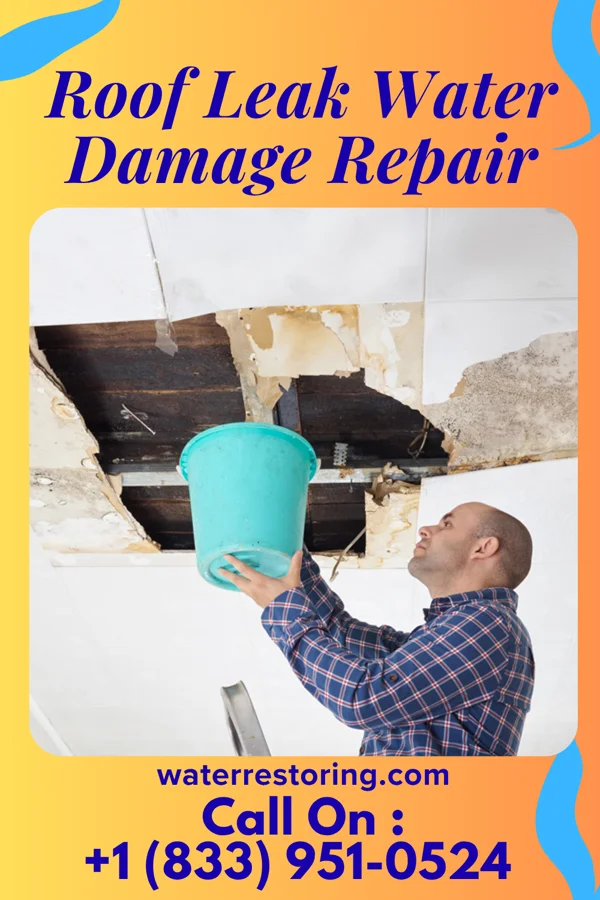
Why Roof Leak Damage Spreads in Lewisville
Most water damage emergencies in Lewisville start with Lewisville, Idaho experiences frequent temperature fluctuations and occasional heavy snowfall in the winter, which can lead to ice dams and roof leaks. Spring thaw can cause rapid water runoff, increasing the risk of water infiltration through damaged roofing materials. Summer thunderstorms bring intense rainfall, which can overwhelm older or poorly maintained roofs.. A close second is The region's dry summers can cause roofing materials to shrink and crack, creating entry points for water during sudden rain events. Wind is also a factor, as it can lift shingles or damage flashing, leading to leaks that are hard to detect until water damage occurs.. From the second water touches the property, every minute changes what gets saved and what gets ripped out.
Lewisville's climate, characterized by cold winters and hot summers, puts stress on roofing systems. The freeze-thaw cycle can cause expansion and contraction of roofing materials, leading to cracks and gaps. Additionally, the region's wind patterns can lift shingles, creating vulnerable areas for water intrusion.
Most roof leak water damage repair calls in Lewisville come from Lewisville, Idaho experiences frequent temperature fluctuations and occasional heavy snowfall in the winter, which can lead to ice dams and roof leaks. Spring thaw can cause rapid water runoff, increasing the risk of water infiltration through damaged roofing materials. Summer thunderstorms bring intense rainfall, which can overwhelm older or poorly maintained roofs.. Running a close second is The region's dry summers can cause roofing materials to shrink and crack, creating entry points for water during sudden rain events. Wind is also a factor, as it can lift shingles or damage flashing, leading to leaks that are hard to detect until water damage occurs.. Local mold risk: Mold can begin to grow within 48 hours of water exposure in Lewisville, especially in the humid conditions that follow spring rains. If not addressed quickly, mold can spread to insulation, walls, and even affect indoor air quality, leading to costly remediation efforts.